

"An Apple a Day Keeps the Doctor Away"
- Oct 18, 2016
- 3 min read
Around this time of year, especially in New England, many of us go apple picking, make apple pie, apple crisp and even applesauce. Apples seem to be one of the more popular fruits in the fall as well as year round. In fact, according to the USDA, Americans consume 11.6 pounds of apples per person per year. But why do people choose to eat apples? Is it because they're reasonably priced and available year round? Is it because they are easy to transport and not too messy? Or is it because they taste so good? Whatever the reason, the USDA reports that we eat a lot of them, and it might be helpful to know what makes them healthy for us.

Let's start with the nutritional information for 1 Medium Apple...
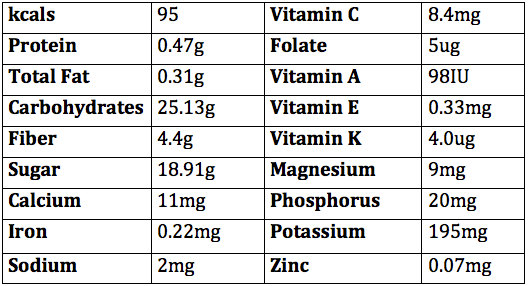
As you may have noticed from the table, apples don't contain a particularly high amount of any specific type of nutrient. Because in this case, it's the substances within apples and what they do within the body that makes them so healthy to eat.
Antioxidants:
In the United States, apples were shown to contain the 2nd highest level of antioxidant activity compared to any other fruits. Apples (specifically the peels) have a high concentration of the flavonoid known as quercetin. Quercetin acts as an antioxidant neutralizing free-radicals and lowering the risk of the development of cancer. This flavonoid also have anti-inflammatory properties. Additionally, quercetin has the ability to help decrease blood sugar by inhibiting the enzymes responsible for the breakdown of complex carbohydrates into simple sugars. Quercetin also decreases the amount of glucose absorbed from the digestive tract, and has some power of insulin secretion. Another flavonoid that apples contain is cyanidin 3-galactoside which is only found in red apple peels. Cyanidin 3-Galactoside is known to have highly effective antioxidant activity as well as the ability to oxidize LDL cholesterol (bad cholesterol). Antioxidants from the skin as well as the inside flesh work together within the body to execute their benefits. This is why it is important to consume whole apples rather than just the inside.
Fiber:
Apples contain two types of fiber, both of which have different mechanisms for helping to lower cholesterol levels within the body. Studies have shown that adding one apple per day to the diet lowers serum cholesterol by 8-11%. The insoluble fiber contained within apples attaches itself to LDL cholesterol within the digestive tract and eliminates it from the body. Pectin, the soluble fiber of apples minimizes the cholesterol produced by the liver. Pectin has also been shown to protect the body from pollutants such as heavy metals like mercury. Pectin binds itself to the heavy metals and removes it from the body. The fiber in apples also promotes digestive health by relieving constipation and increasing the water content within the colon.
Additional Benefits of Apples:
Apples contain malic and tartaric acids which help decrease indigestion and help the body manage excess protein and fat consumed.
Apples' flavonoid content has been shown to reduce the risk of heart disease.
Increased apple intake has been positively shown to decrease the risk of asthma.
Consumption of 2 apples per week has been linked to overall lung health.
Apples' acidity helps to clean and brighten teeth. This mechanism is intensified by consuming the whole apple with peel.
If you have any questions or comments please feel free contact me here. Next time you eat an apple, think about all the benefits your receiving. As they say, "an apple a day keeps the doctor away!"
References:
1. United States Department of Agriculture. Oranges and apples are America's top fruit choices. United States Department of Agriculture Website. http://www.ers.usda.gov/data-products/chart-gallery/detail.aspx?chartId=40071. Updated October 11, 2016. Accessed October 18, 2016.
2. United States Department of Agriculture. Nutrient database, apples, raw, with skin. United States Department of Agriculture Website. https://ndb.nal.usda.gov/ndb/foods/show/2122?manu=&fgcd=&ds=Standard%20Reference. Updated May 2016. Accessed October 18, 2016.
3. Mateljan G. The world's healthiest foods. 1st ed. Seattle, Washington: GMF Publishing; 2007.
4. Van Straten M, Griggs B. Superfoods. 2nd ed. London, England: Dordling Kindersley Publishing; 1992.
5. Parragon, inc. 100 best health foods. 1st ed. New York, NY: Parragon Books; 2015.


Comments