

Milk And It's Many Forms
- Oct 27, 2016
- 4 min read
From the time I was old enough to open the refrigerator, I quickly found that milk was a regular staple in my household. We used to purchase one particular kind and it was always there whether I wanted to eat cereal, milk and cookies, or even if I just wanted a glass to drink. But, until I moved out of my childhood home and started doing my own grocery shopping I never realized how many options are out there for milk. Aside from skim, 1/%, 2%, and whole cow's milk there is an array of other types on the shelf including soy milk, almond milk, and cashew milk. If you grew up with a particular type of milk like I did, you may be a little confused or curious about these other types of milk. Let me lay it all out for you.

As it turns out, cow's milk, almond milk, soy milk, cashew milk, and coconut milk are all pretty different nutritionally, and taste wise. Therefore, there's no way for me to really tell you which one is better for you like I could with a type of lettuce. Basically, it all comes down to preference in taste as well as what you want from a milk. To compare and contrast, below I've laid out each type of milk with their nutritional value, and nutritional benefits. From here, it's up to you which one you choose to purchase and drink.
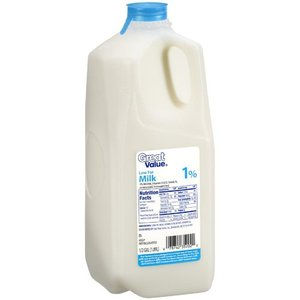
Cow's Milk 1% (1 Cup)
Benefits:

Cow's milk is an excellent source of a variety of vitamins and minerals including calcium, phosphorus, selenium, vitamin A, vitamin D, vitamin B12, and also protein. These nutrients together benefit organs and systems within the body, as well as prevention of certain conditions and diseases. Some of these benefits include bone strength, immune system health, smoother skin, and prevention of osteoporosis, dental decay, hypertension, obesity, and certain cancers.

Soy Milk (1 Cup)
Benefits:

Nutritionally, soy milk is extremely healthy and contains many important vitamins and minerals. It is often a rare occasion to find a food source that contains a large variety of minerals. Soy milk contains zinc, potassium, magnesium, iron, calcium, and phosphorus in adequate amounts. Many of the B vitamins including riboflavin, niacin, pyridoxine, and cobalamin are also included in soy milk as well as vitamins K, D, and E. In addition to the various vitamins and minerals it provides, soy milk also reduces the risk of certain types of cancer, helps to lower cholesterol, aids in prevention of liver damage, and reduces the risk of many issues associated with menopause.

Coconut Milk (1 Cup)
Benefits:

As you can see in the table, coconut milk contains a high level of calories which is due to it's saturated fat content. This may steer you away from coconut milk altogether, but let me assure you that although it may be high in fat, coconut milk is very healthy. Coconut milk contains certain acids and lipids that have antibacterial, anti fungal, and antiviral properties which has a positive effect on immune system health. Additionally, coconut milk promotes healthy skin and hair. The fatty acids contained in coconut milk are a natural antiseptic that aids in the healing of dandruff, wounds, itchy skin, and skin infections. In addition to the various benefits to the body coconut milk provides, nutritionally coconut milk contains many beneficial vitamins including vitamins C, E, thiamin, niacin, pantothenic acid, and pyridoxine.

Almond Milk (1 Cup)
Benefits:
Like soy milk, almond milk also contains an array of minerals including iron, calcium, phosphorus, potassium, magnesium, and zinc. Almond milk also aids in reducing and maintaining blood pressure which reduces the risk of hypertension and other chronic diseases. Since almond milk is plant based, it contains no cholesterol which lowers the risk of cardiovascular disease and helps the heart stay healthy. Additionally almond

milk contains a fair amount of calcium (30% daily requirement) which makes strong teeth and bones lowering the risk of osteoporosis, and also aiding in proper blood clotting. One unique characteristic of almond milk is its similarity to breast milk due to the various vitamins, minerals, and proteins it is composed of. This makes almond milk a beneficial substitute for breast milk. Additional benefits of almond milk include immune system support, prevention of certain cancers, maintenance of kidney healthy, and good vision health.

Cashew Milk (1 Cup)
Benefits:

What's nice about cashew milk is that it is typically fortified with vitamins A and D just like with cow's milk, and is also fortified with vitamin B12. As you may know, vitamin B12 is ONLY found in animal products. Therefore, vegetarians and vegans MUST supplement this vitamin as they will not obtain it through their diets. Cashew milk contains 50% of your daily value of vitamin B12 which is great news for vegetarians and vegans. Cashew milk is also a great source of magnesium which contributes to bone and joint health, and also promotes healthy skin and hair. Cashew milk also contains some of the heart-healthy monounsaturated fatty acids found in olive oil. These monounsaturated fatty acids lower the risk of cardiovascular disease, and help lower cholesterol.
I hope this blog post cleared up some confusion about your grocery stores milk case and helped you to understand the benefits of the various types of milks available today. I invite you to try some of these different options if not for drinking purposes than for smoothies or cereal. You may be pleasantly surprised at how they taste and how much you like them. If you have any questions or comments you'd like to share please feel free to contact me here. Otherwise, happy eating!
References:
1. Organic Information Services. Health benefits of milk. Organic Information Services Website. https://www.organicfacts.net/health-benefits/animal-product/milk.html. Updated 2016. Accessed October 26, 2016.
2. Organic Information Services. Health benefits of soy milk. Organic Information Services Website. https://www.organicfacts.net/health-benefits/beverage/soymilk.html. Updated 2016. Accessed October 26, 2016.
3. Braverman J. The health benefits of coconut milk. Livestrong Website. http://www.livestrong.com/article/396504-how-do-i-fast-with-coconut-oil/. Updated April 14, 2015. Accessed October 26, 2016.
4. Organic Information Services. Health benefits of almond milk. Organic Information Services Website. https://www.organicfacts.net/health-benefits/almond-milk.html. Updated 2016. Accessed October 26, 2016.
5. Busch S. Benefits of cashew nut milk. Livestrong Website. http://www.livestrong.com/article/99333-benefits-cashew-nut-milk/. Updated June 11, 2015. Accessed October 26, 2016.


Comments