

Do You Know Your Vitamins?: Thiamin
- Sep 22, 2016
- 3 min read
We all know that vitamins are good for us and that they are a vital part of a healthy diet. But, what many of us don't know is why they're good for us. What do they do for our bodies? What foods do we find each of the vitamins in? What happens if we don't get enough, and what happens if we get too much? Well, don't fret if you don't know, because I am going to answer all of those questions here vitamin by vitamin. Todays topic is thiamin, or as most of us know it vitamin B1.
Let's begin with recommended intake of thiamin based on the Dietary Reference Intakes (DRI) put forth by the Food and Nutrition Board of the National Academy of Sciences.

***mg/d = milligrams per day***
Sources of Thiamin:
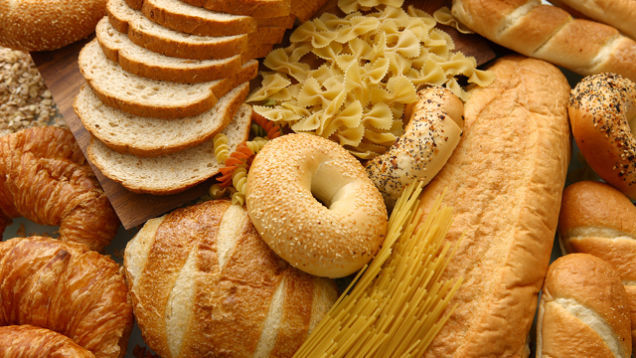
Although thiamin is only needed in the body in small amounts, it is important to consume foods that contain the vitamin rather than taking a supplement. Unfortunately, most foods contain only small amounts of thiamin. As a result, the United States food industry enriches (the addition of vitamins and minerals lost or diminished during food processing) grains.

Thiamin Deficiency:
There are two forms of thiamin deficiency which will be explained below. Firstly, there are two categories of people most at risk for thiamin deficiency. These groups include alcoholics and the elderly. Alcoholics are at risk for thiamin deficiency because alcohol interferes with the absorption of thiamin. The elderly is at risk due to inadequate food consumption, and poor dietary choices. A varied diet is the key to a healthy diet free from deficiencies.
Beriberi is a form of thiamin deficiency that affects the muscular, nervous, cardiovascular, and gastrointestinal systems which all rely on thiamin in order to function correctly. There are two forms of beriberi which include "wet" beriberi and "dry" beriberi. The symptoms of "wet" beriberi include tingling sensations throughout the body caused by nerve degeneration, and loss of nerve transmission, muscle wasting, poor arm and leg coordination, and deep pains in the calf muscles. Symptoms of "wet" beriberi include all the symptoms mentioned above with the addition of enlarged heart, heart failure, and severe edema. Symptoms of beriberi can occur after only 10 days without consumption of thiamin.
Wernicke-Korsakoff Syndrome occurs mostly in alcoholics and presents with the symptoms of mental confusion, staggering, constant rapid eye movements, and paralysis of the eye muscles.
Thiamin Toxicity:
The Food and Nutrition Board of the National Academy of Sciences has not set a Tolerable Upper Intake Level (UL) for Thiamin. In addition, there have been no reports of toxicity from food or supplements to date. It is important to mention that supplements typically contain 200 times the Daily Value for thiamin, and absorption decreases at doses of 5 or more milligrams. All excess is filtered through the kidneys and is excreted in urine.
Functions of Thiamin:
Maintain the body's energy supply
Plays a role in nerve and muscle function
Supports heart function
Lowers the risk of cataracts
Lowers the risk of Alzheimer's Disease
Lowers the risk of depression
Lowers the risk of heart failure
What else should you know?
As previously mentioned, alcohol interferes with the absorption of thiamin in the body, and like alcohol there are other substances that can interrupt the quality/potency of thiamin. Thiamin is actually an unstable vitamin, and is damaged by heat, pH, and other chemicals. What does this mean? Well, anytime you heat or mix a food with acid containing thiamin, the content of thiamin decreases. For example, when you boil pasta and add tomato sauce, some of the thiamin content of the pasta is lost. The longer a food containing thiamin is cooked, the more thiamin is lost. Now this doesn't mean you can't eat pasta. Pasta contains more nutritional value than just thiamin. What this means, is that you'll just need to consume another food with thiamin to replace what was lost. This could be a piece of garlic bread with your pasta. And because the recommended intake for thiamin is relatively low, this isn't something you would need to worry about very much.
Have any questions or would like to know more about anything I've covered today, please contact me here or email me at lettucelivenaturally@gmail.com. And as always, happy eating!
References:
1. Mateljan G. The world's healthiest foods. 1st ed. Seattle, Washington: GMF Publishing; 2007.
2. Insel P, Ross D, McMahon K, Bernstein M. Nutrition. 4th ed. Sudbury, MA: Jones and Bartlett Publishers; 2011.
3. University of Maryland Medical Center. Vitamin B1 (Thiamin). University of Maryland Medical Center Website. http://umm.edu/health/medical/altmed/supplement/vitamin-b1-thiamine. Updated August 6, 2015. Accessed September 22, 2016.


Comments