

The Refreshing Red Raspberry
- Aug 12, 2016
- 2 min read
With only a few more weeks of summer left, those of us in New England are enjoying the final weeks of fresh summer fruits and vegetables. Among them, is the refreshing red raspberry. As we all know fruits (including the raspberry) are part of a healthy diet, but do you ever wonder why a certain food is healthy for us? Let me clue you in....
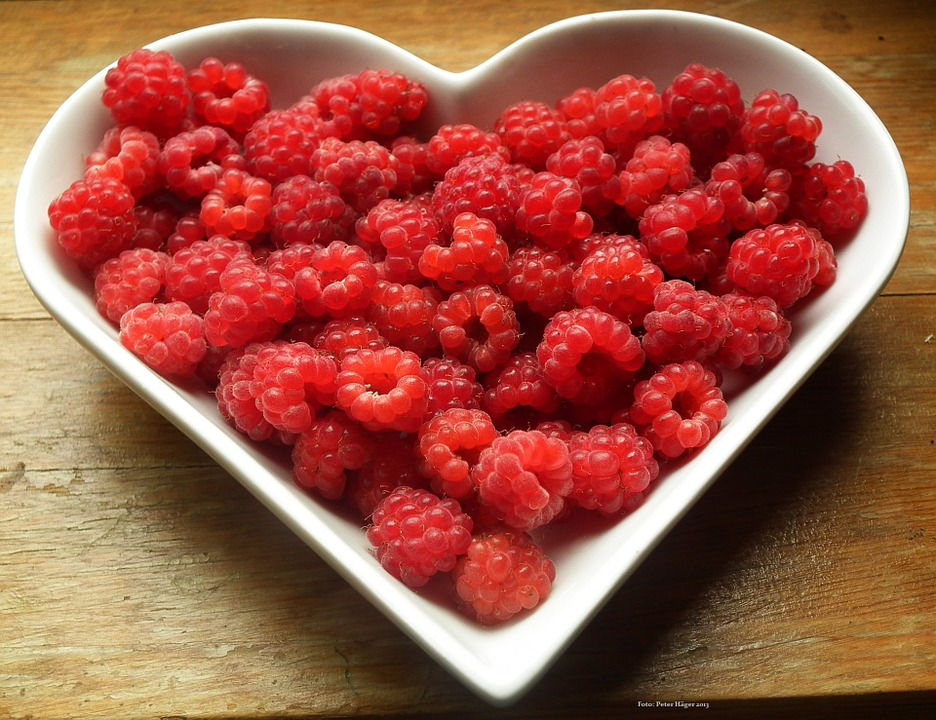
Let's start with the nutritional information for 1 cup of raspberries....

Raspberries' nutrients are what make raspberries so healthy and a good addition to any healthy diet. Specifically, raspberries are an excellent source of antioxidants. For anyone who doesn't know, antioxidants are substances that combine with or neutralize free radicals (cancer causing chemicals), preventing damage to cells and tissues. Vitamin C, manganese, and copper are antioxidants as well as ellagic acid, all contained in raspberries. Along with its antioxidant functions, ellagic acid may help promote cardiovascular health due to their ability to reduce LDL (bad cholesterol), and help preserve blood vessels.
In addition, raspberries contain flavonoids such as quercetin, kaempferol, and anthocyanin. Anthocyanin's give raspberries their red color, suppress inflammation, and also have antimicrobial components which prevents overgrowth of certain bacteria and fungi within the body. Raspberries fiber and water content promote maintenance of a healthy digestive system, and regulation of blood sugar, immune system function, and inflammation. Together these qualities decrease the risk of cardiovascular disease, diabetes, cancer, and obesity.
Furthermore, raspberries promote heart health. Raspberries contain high polyphenol content which prevents platelet buildup and reduces blood pressure which reduces the risk of cardiovascular disease. Raspberries are also a good source of folic acid, which has been shown to reduce homocysteine levels. Reduction of homocysteine levels decreases the risk of heart disease.
I've touched upon a lot of new and complicated terms throughout this post. I've defined a few of these terms here, but if for whatever reason you would like to know the definition of a term or have any questions, please contact me.
I hope I've given you a good insight as to why raspberries are healthy for your body and overall health. If this doesn't make you want to eat more raspberries, I don't know what will. Happy eating!
References:
1. United States Department of Agriculture. Nutrient database, raspberries, raw. United States Department of Agriculture Website. https://ndb.nal.usda.gov/ndb/foods/show/2374?fgcd=&manu=&lfacet=&format=&count=&max=35&offset=&sort=&qlookup=raspberries. Updated May 2016. Accessed August 12, 2016.
2. Insel P, Ross D, McMahon K, Bernstein M. Nutrition. 4th ed. Sudbury, MA: Jones and Bartlett Publishers; 2011.
3. Mateljan G. The world's healthiest foods. 1st ed. Seattle, Washington: GMF Publishing; 2007.
4. Ware M. Raspberries: health benefits, nutritional information. Medilexicon International Website. http://www.medicalnewstoday.com/articles/283018.php. Updated July 21, 2016. Accessed August 12, 2016.


Comments